
$45.00

YEG Exotic Plant Crowd
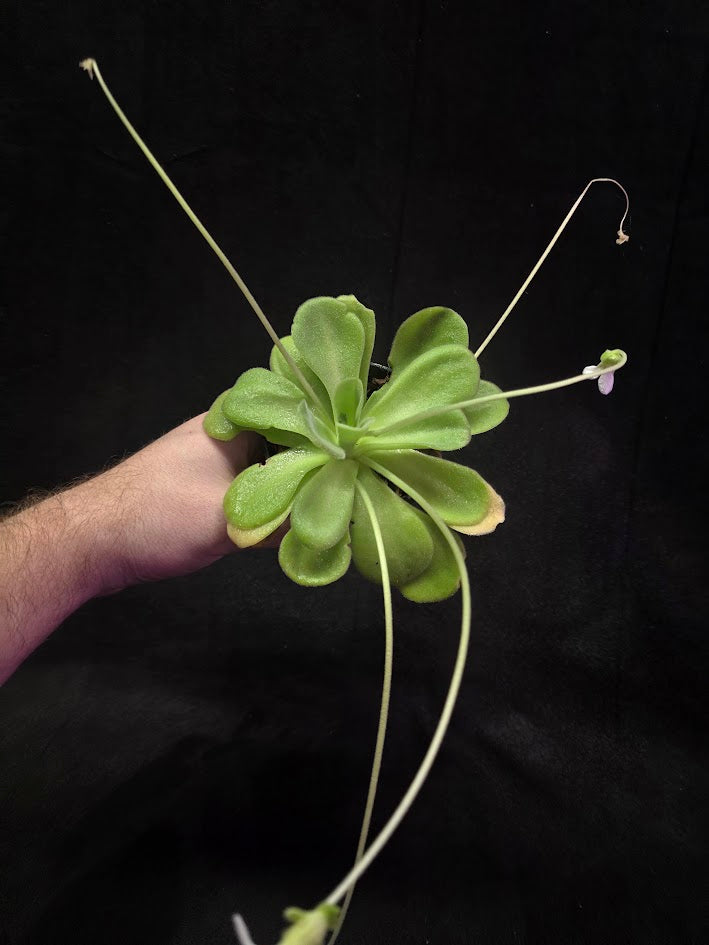
Pinguicula Aphrodite #01
$35.00
Description
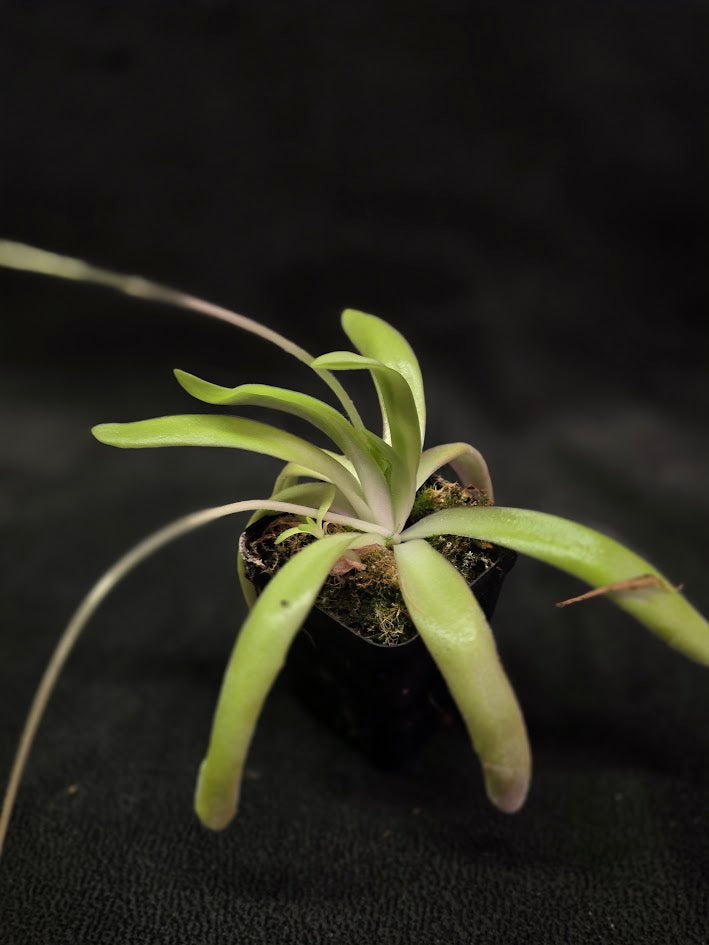
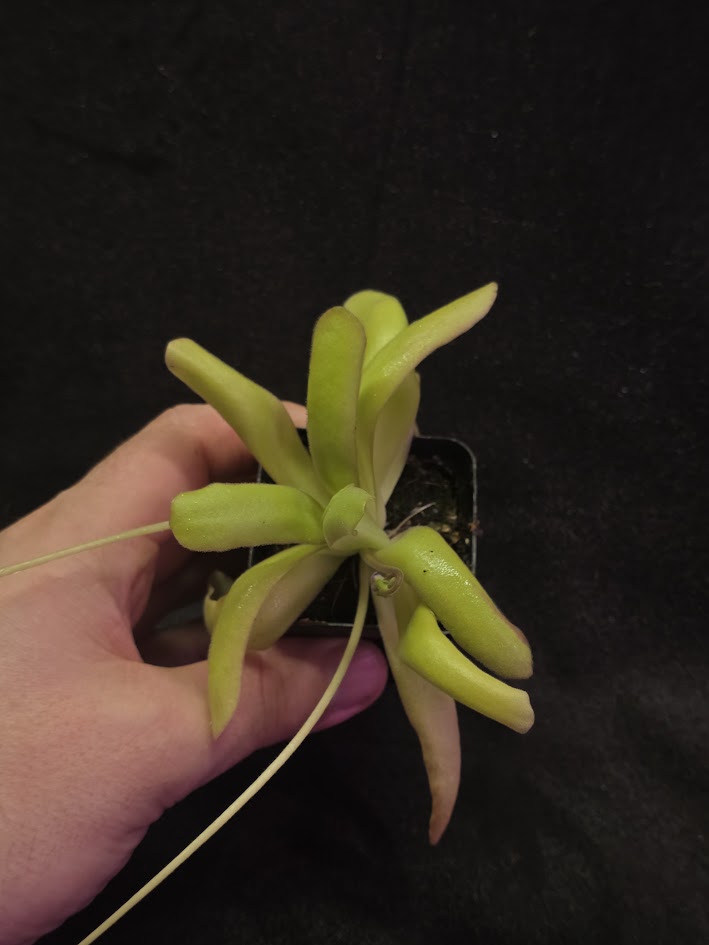
Pinguicula 'Aphrodite' is a spectacular Mexican butterwort hybrid highly prized for its elongated foliage, vibrant pink to reddish pigmentation, elegant flowers, and fascinating carnivorous characteristics. Unlike many Mexican butterworts that develop small, rounded rosettes, this distinctive cultivar produces long, slender leaves that radiate outward from the centre of the plant, creating a graceful, starburst-like appearance. Its unusual foliage structure and striking colouration make it a particularly desirable specimen among collectors of carnivorous plants and uncommon botanical varieties.
Originally developed in 1998 by Jan Flísek and Kamil Pásek, Pinguicula 'Aphrodite' is a registered cultivar created by crossing Pinguicula agnata with Pinguicula moctezumae. This exceptional hybrid combines the attractive pigmentation and adaptable growing characteristics of Pinguicula agnata with the distinctive elongated leaf structure of Pinguicula moctezumae. Named after the Greek goddess of love and beauty, this remarkable butterwort certainly lives up to its elegant name.
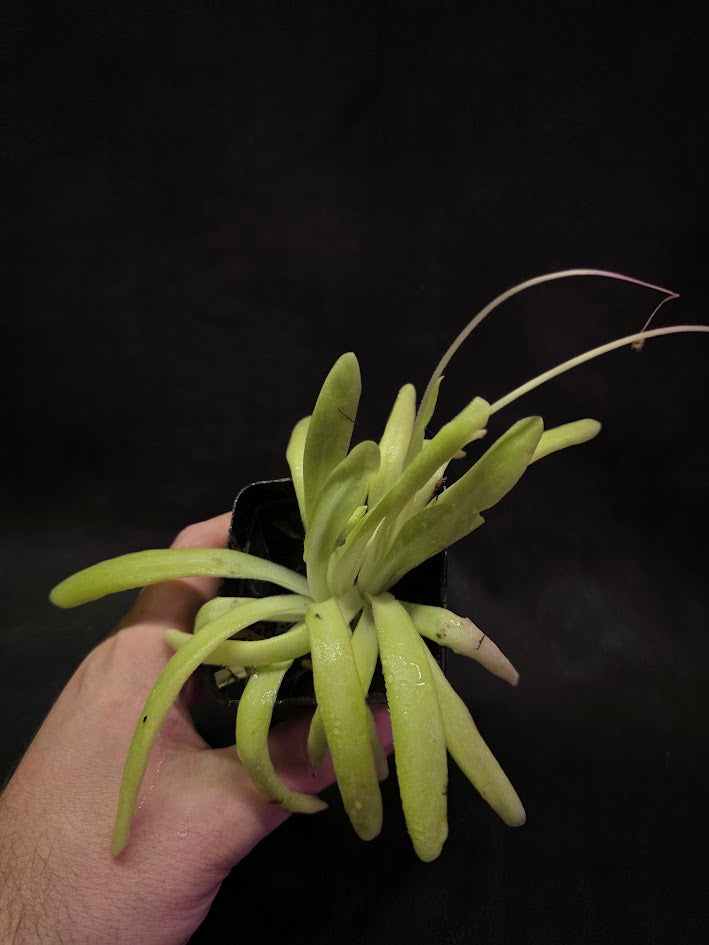
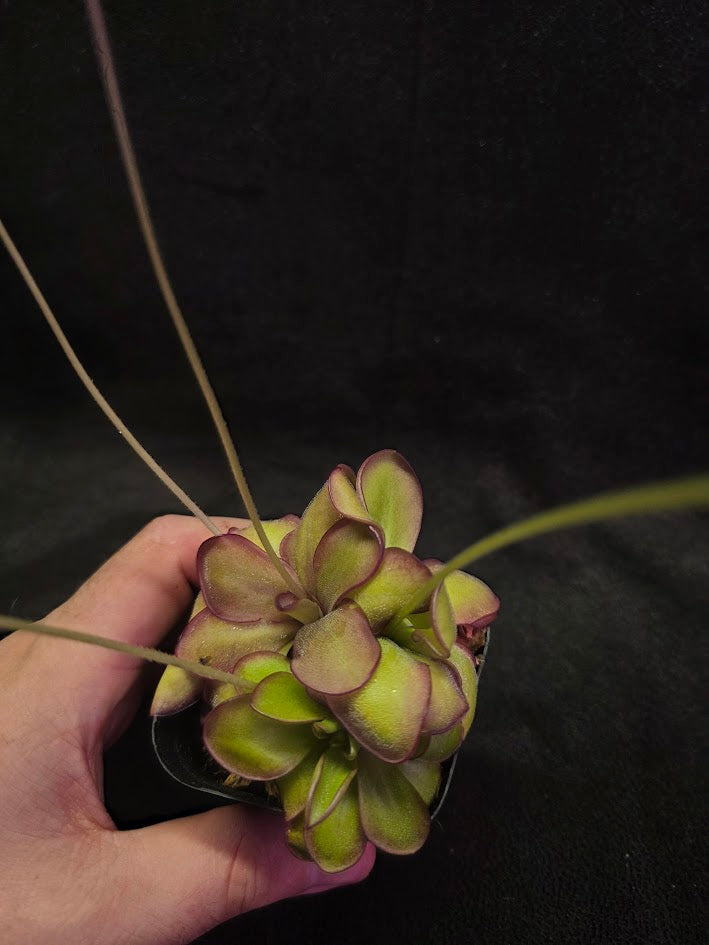
The foliage of Pinguicula 'Aphrodite' consists of elongated, strap-like leaves with gently rounded tips and slightly downward-curving margins. Individual leaves can reach approximately 12 centimetres in length under favourable growing conditions, making this cultivar considerably larger than many miniature Mexican butterworts. The foliage can display a beautiful combination of lime green, soft pink, peach, burgundy, and deep reddish tones. Under sufficiently bright lighting, the leaves may develop intense reddish pigmentation while retaining contrasting green areas near their centres.
During active carnivorous growth, the leaf surfaces are covered in numerous microscopic glands that produce a glistening, sticky substance known as mucilage. This natural adhesive gives the foliage a beautiful, dew-covered appearance while functioning as a specialized mechanism for capturing small insects. Fungus gnats, fruit flies, and other tiny flying pests become trapped upon contact with the sticky foliage. Digestive enzymes subsequently break down the captured prey, allowing the plant to absorb valuable supplementary nutrients. Its relatively extensive leaf surface makes Pinguicula 'Aphrodite' an attractive natural companion for indoor plant collections.
One of the most appealing characteristics of Pinguicula 'Aphrodite' is its elegant flowering habit. Mature specimens can produce beautiful pale pink to lavender-pink flowers held above the foliage on slender, upright stems. These delicate, violet-like blooms create a striking contrast against the plant's elongated, reddish-green leaves. Established specimens may flower repeatedly under favourable growing conditions, providing additional ornamental interest throughout the year.
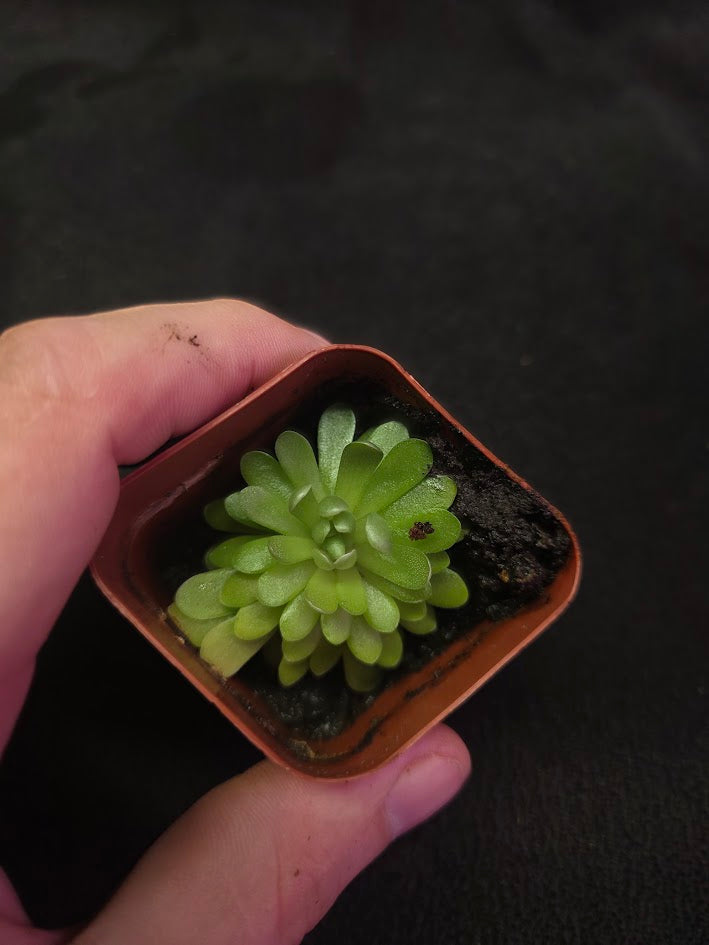
Like many Mexican butterwort hybrids, Pinguicula 'Aphrodite' may exhibit seasonal changes in its growth habit. During its active carnivorous phase, the plant develops long, spreading leaves designed to capture and digest insects. During its seasonal succulent phase, it may produce shorter, thicker, and more compact foliage with reduced carnivorous activity. The extent of this seasonal transformation can vary according to environmental conditions, particularly temperature, moisture availability, and light exposure.
Pinguicula 'Aphrodite' thrives in bright, indirect sunlight or beneath suitable full-spectrum LED grow lights. Adequate lighting is particularly important for encouraging healthy rosette development, vibrant pink and reddish pigmentation, abundant mucilage production, and successful flowering. Gentle direct morning sunlight may be beneficial following gradual acclimation, although prolonged exposure to intense afternoon sunlight should be avoided to prevent foliage scorching and excessive dehydration. Plants cultivated under lower lighting conditions may retain a predominantly green appearance.
Moderate humidity levels of approximately 40–70% provide a suitable starting point for cultivation. Unlike many tropical carnivorous plants, Pinguicula 'Aphrodite' can generally adapt to average household humidity without requiring a fully enclosed growing environment. Adequate air circulation remains essential for preventing fungal issues and excessive moisture accumulation around the plant's central crown and delicate foliage.
An airy, exceptionally well-draining, low-nutrient growing medium is recommended for maintaining healthy root development. Suitable substrates may include combinations of pumice, perlite, silica sand, lava rock, and other appropriate mineral-based materials. Predominantly mineral-based substrates are particularly well suited to Mexican butterworts, as they provide excellent drainage and aeration around their delicate root systems. Conventional potting soil, compost, and fertilizer-enriched substrates should be avoided.
During active carnivorous growth, the growing medium should remain lightly moist without becoming excessively saturated. A shallow water tray may be used periodically, provided the substrate offers adequate drainage. Watering should be reduced if the plant transitions into its compact succulent growth phase, allowing the substrate to become drier between waterings. Distilled water, reverse osmosis water, or clean rainwater is recommended to prevent potentially harmful mineral accumulation. Proper drainage and careful seasonal watering adjustments are important for preventing root and crown rot.
Moderate indoor temperatures of approximately 18–28°C provide favourable conditions for active growth. Unlike temperate carnivorous plants, Pinguicula 'Aphrodite' does not require a cold winter dormancy. Its seasonal changes in foliage are natural adaptations to environmental conditions rather than a requirement for prolonged exposure to cold temperatures. Exposure to frost, freezing conditions, excessive heat, and sudden temperature fluctuations should be avoided.
Routine soil fertilization is generally unnecessary, as Pinguicula 'Aphrodite' obtains supplementary nutrients naturally through captured insects. Its specialized carnivorous adaptations allow it to thrive in growing mediums containing relatively low concentrations of available nutrients. Conventional houseplant fertilizers should not be applied directly to the substrate, as excessive nutrient concentrations can damage its sensitive root system.
Pinguicula 'Aphrodite' can be propagated vegetatively through healthy leaf pullings, particularly when the plant is producing its more compact seasonal foliage. Individual leaves may be carefully separated from the parent plant and placed onto an appropriately moist propagation medium. Under favourable conditions, miniature plantlets gradually develop near the base of the removed leaves. Established specimens may also produce additional growth points, eventually forming attractive clusters of individual rosettes. Vegetative propagation allows the distinctive genetic and ornamental characteristics of this registered cultivar to be preserved.
With its extraordinary elongated foliage, vibrant reddish pigmentation, delicate pink flowers, and fascinating insect-catching abilities, Pinguicula 'Aphrodite' is an exceptional statement plant for any carnivorous plant collection. Its distinctive starburst-like appearance makes it particularly suitable for bright windowsills, indoor grow-light setups, decorative mineral arrangements, porous rock plantings, and specialized Mexican butterwort displays. Its dramatic foliage provides a beautiful contrast against smaller, rounded butterworts such as Pinguicula esseriana, Pinguicula jaumavensis, and Pinguicula ehlersiae. Combining sophisticated botanical elegance with extraordinary carnivorous adaptations, this remarkable hybrid offers year-round ornamental interest and a rewarding growing experience for both beginner and experienced enthusiasts.
Please note that each living plant is unique and may vary slightly in size, shape, colouration, leaf length, rosette diameter, and seasonal appearance. The intensity of pink, red, and burgundy pigmentation is dependent on lighting intensity, maturity, and overall growing conditions. Juvenile specimens may not yet display the exceptionally elongated foliage associated with mature plants. Plants may arrive in either their carnivorous or succulent growth phase, and flowering is not guaranteed at the time of purchase. Providing appropriate lighting, excellent drainage, stable temperatures, and careful moisture management will help encourage healthy new growth following shipping and acclimation.
Care & shipping
Bright indirect light, high humidity, water when the top inch of medium dries. Shipped with insulation and a heat pack in cold months.
How we pack
Root systems are wrapped damp, foliage is braced, and the box is insulated. Orders ship early in the week so nothing sits in transit over a weekend.
Also available
More from the greenhouse

$45.00
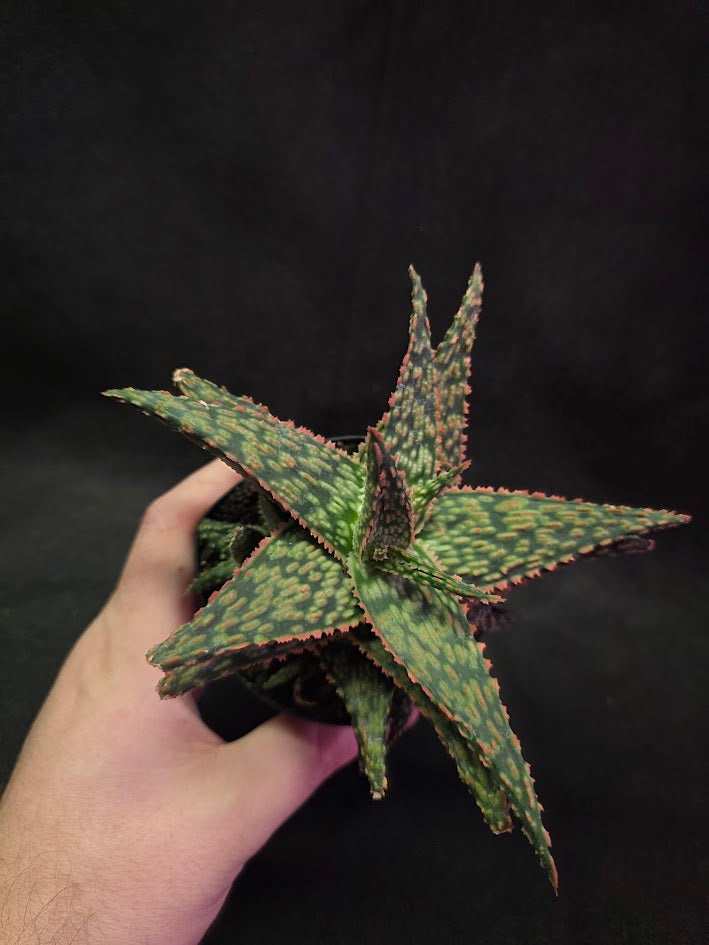
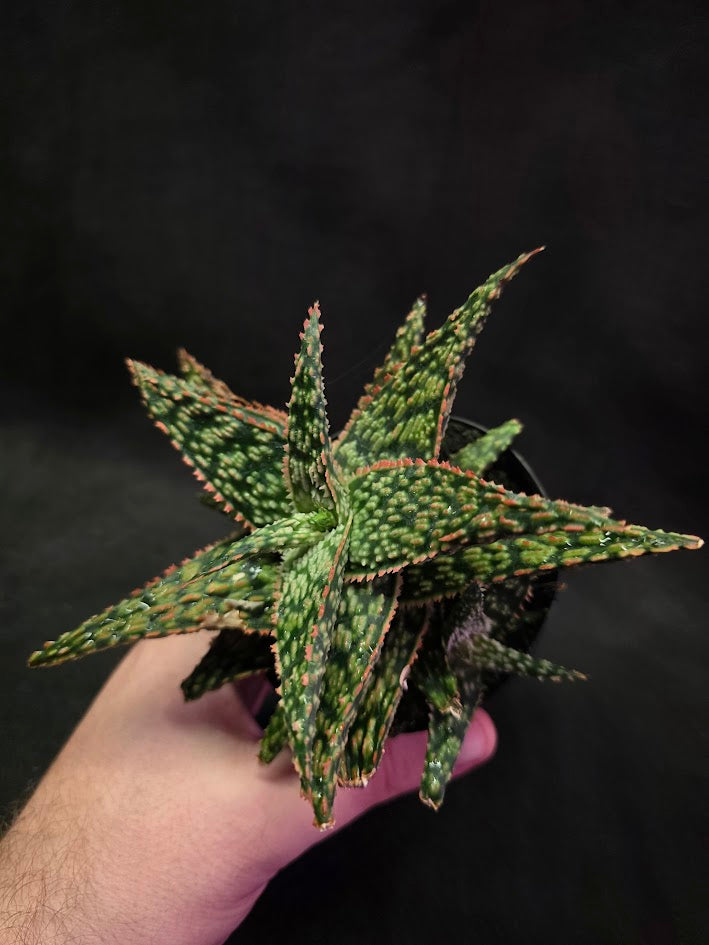
Aloe Firecracker #01

$35.00
Pinguicula Aphrodite #03

$35.00
Pinguicula Aphrodite #02

$35.00
Pinguicula Aphrodite #01


$40.00