
$45.00

YEG Exotic Plant Crowd
Cojoba Arborea #01
$95.00
Description
Cojoba arborea, commonly known as the Everfresh Tree, Wild Tamarind, or Coral Snake Tree, is an extraordinary tropical tree highly prized for its delicate, fern-like foliage, graceful branching structure, and fascinating leaf movements. Native to tropical regions of Mexico, Central America, South America, and the Caribbean, this distinctive member of the Fabaceae family offers a beautiful combination of botanical elegance and ornamental appeal. Its finely textured foliage and sophisticated appearance make it a particularly desirable specimen among collectors of uncommon tropical plants, indoor trees, and Japanese-inspired botanical displays.
The most remarkable characteristic of Cojoba arborea is its beautifully arranged, bipinnate foliage, consisting of numerous miniature leaflets distributed along slender, branching leaf stems. The foliage displays shades of fresh lime green to rich emerald green, creating an exceptionally delicate, feather-like appearance. Newly emerging growth may exhibit lighter green or subtle bronze tones before gradually developing its mature colouration. The intricate arrangement of its foliage gives the plant an airy, elegant silhouette that distinguishes it from many traditional broad-leaved tropical houseplants.
One of the most fascinating characteristics associated with the Everfresh Tree is its ability to fold its leaflets in response to the transition between daylight and darkness. This natural movement, known as nyctinasty, allows the foliage to gradually close during the evening and reopen as daylight returns. This captivating daily transformation provides an additional layer of botanical interest, making the plant a dynamic and continually changing ornamental specimen.
Cojoba arborea exhibits a naturally upright, woody growth habit, gradually developing an attractive trunk and spreading canopy as it matures. In its native environment, this species can develop into a substantial tropical tree reaching up to 40 metres in height. When cultivated indoors in containers, its growth can be managed through regular pruning, appropriate container selection, and controlled growing conditions. Its delicate foliage and elegant branching structure make it particularly attractive as an indoor statement tree or a candidate for bonsai-inspired cultivation.
Mature Cojoba arborea trees can produce distinctive, rounded flower clusters composed of numerous delicate, greenish-white flowers. These attractive, pompom-like blooms may eventually develop into remarkable curved or twisted seed pods displaying vibrant coral-red colouration. As the pods mature and split open, they reveal glossy black seeds, creating an extraordinary contrast against the surrounding foliage. These unusual seed pods contribute to the plant's common name, Coral Snake Tree. Flowering and fruit production are generally uncommon in young, container-grown indoor specimens.
Cojoba arborea thrives in bright, indirect sunlight when cultivated indoors and benefits from generous lighting throughout the day. Gentle direct morning sunlight can encourage healthy growth and compact branching, while established specimens may tolerate stronger sunlight following gradual acclimation. Insufficient lighting may contribute to elongated growth, reduced foliage density, and premature leaf loss. Full-spectrum LED grow lights can provide supplementary illumination during periods of reduced natural daylight.
Moderate to elevated humidity is beneficial for maintaining healthy foliage and encouraging consistent growth. Humidity levels of approximately 50–75% provide a suitable starting point for indoor cultivation, although established specimens may adapt to average household humidity. Adequate air circulation remains important for preventing fungal issues and excessive moisture accumulation. Prolonged exposure to excessively dry air may result in curled leaflets, crispy foliage margins, and premature leaf decline.
A loose, fertile, organic-rich growing medium that retains appropriate moisture while providing excellent drainage is recommended. Suitable substrates may include combinations of high-quality tropical potting soil, coconut fibre, fine orchid bark, perlite, and pumice. An appropriately balanced substrate allows the developing root system to access sufficient moisture, nutrients, and oxygen without becoming excessively saturated. Containers should provide adequate drainage and sufficient room to accommodate the plant's developing woody root system.
Water thoroughly when the upper portion of the growing medium begins to dry, allowing excess water to drain freely from the container. Cojoba arborea appreciates consistent access to moisture, particularly during periods of active growth, but should not remain continuously waterlogged. Prolonged dehydration may cause wilting, excessive leaflet closure, and premature foliage loss. Watering frequency should be adjusted according to lighting intensity, temperature, humidity, container size, and seasonal growth.
Warm, stable temperatures of approximately 20–28°C provide favourable starting conditions for active growth. This tropical tree does not require a cold winter dormancy, although growth may naturally slow during the cooler months when lighting intensity decreases. Exposure to cold drafts, sudden temperature fluctuations, frost, and prolonged temperatures below approximately 15°C should be avoided. Maintaining stable environmental conditions is particularly important during establishment and acclimation.
During periods of active growth, a diluted, balanced houseplant fertilizer may be applied every two to four weeks to support healthy root development, woody stem formation, and foliage production. Fertilization should be reduced during periods of slower seasonal growth. Excessive fertilization should be avoided, as accumulated mineral salts can damage the root system and contribute to foliage discolouration.
Regular pruning can help maintain the desired size and shape of Cojoba arborea while encouraging a more compact and beautifully branched canopy. Selective trimming of elongated stems can promote lateral growth, making the plant particularly suitable for decorative indoor tree arrangements. As the plant matures, its developing woody trunk and delicate foliage can create a sophisticated, miniature tree-like appearance reminiscent of traditional bonsai displays.
Cojoba arborea is most commonly propagated through seeds. Fresh, viable seeds can be established in a suitable, well-draining propagation medium under consistently warm and moderately moist conditions. Young seedlings gradually develop their characteristic finely divided foliage and upright growth habit. Patience and consistent environmental conditions are important during the early stages of development.
With its extraordinarily delicate foliage, fascinating daily leaf movements, graceful woody structure, and refined tropical appearance, Cojoba arborea is an exceptional statement plant for any specialized botanical collection. Its elegant silhouette makes it particularly suitable for bright living spaces, minimalist interiors, Japanese-inspired plant arrangements, tropical greenhouse collections, and bonsai-inspired displays. Its finely textured foliage provides a beautiful contrast against the larger leaves of Philodendron, Anthurium, Alocasia, and other ornamental tropical plants. Combining the majestic characteristics of a tropical tree with the delicate elegance of fern-like foliage, the Everfresh Tree offers a distinctive and rewarding growing experience.
Please note that each living plant is unique and may vary in size, shape, trunk thickness, branching structure, foliage density, and colouration. Juvenile specimens may not yet display the substantial woody trunk and spreading canopy associated with mature plants. Natural leaflet closure during the evening is a normal botanical characteristic and should not necessarily be interpreted as a sign of dehydration. Plants may experience temporary foliage loss or environmental stress during shipping and acclimation. Providing stable warmth, generous indirect lighting, appropriate humidity, and consistent moisture management will help encourage healthy new growth following establishment. Flowering and seed pod production are not guaranteed.
Care & shipping
Bright indirect light, high humidity, water when the top inch of medium dries. Shipped with insulation and a heat pack in cold months.
How we pack
Root systems are wrapped damp, foliage is braced, and the box is insulated. Orders ship early in the week so nothing sits in transit over a weekend.
Also available
More from the greenhouse

$45.00
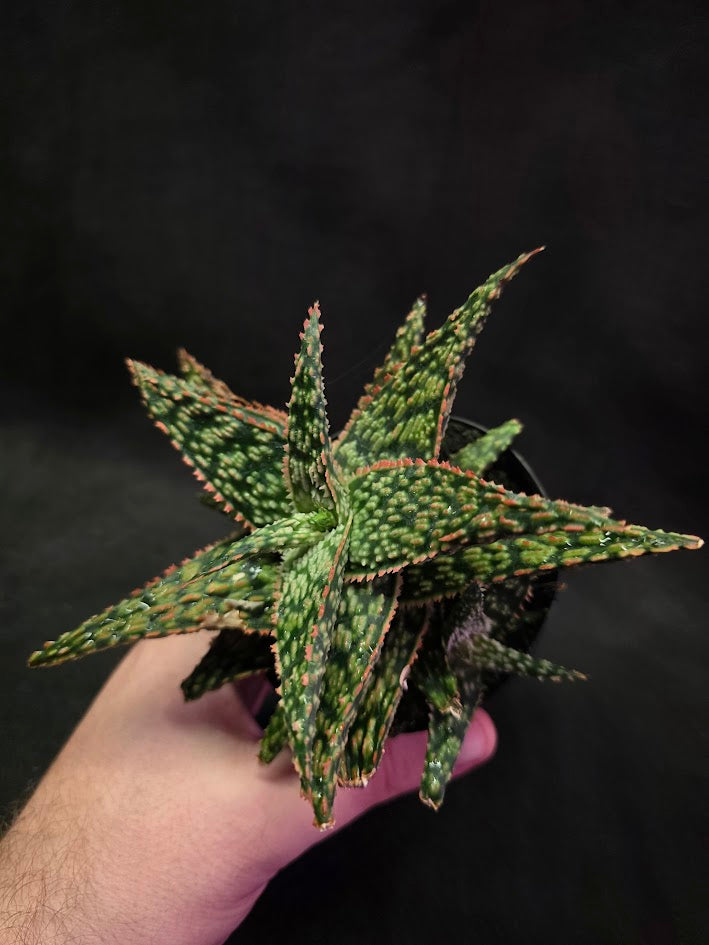
Aloe Firecracker #01

$35.00
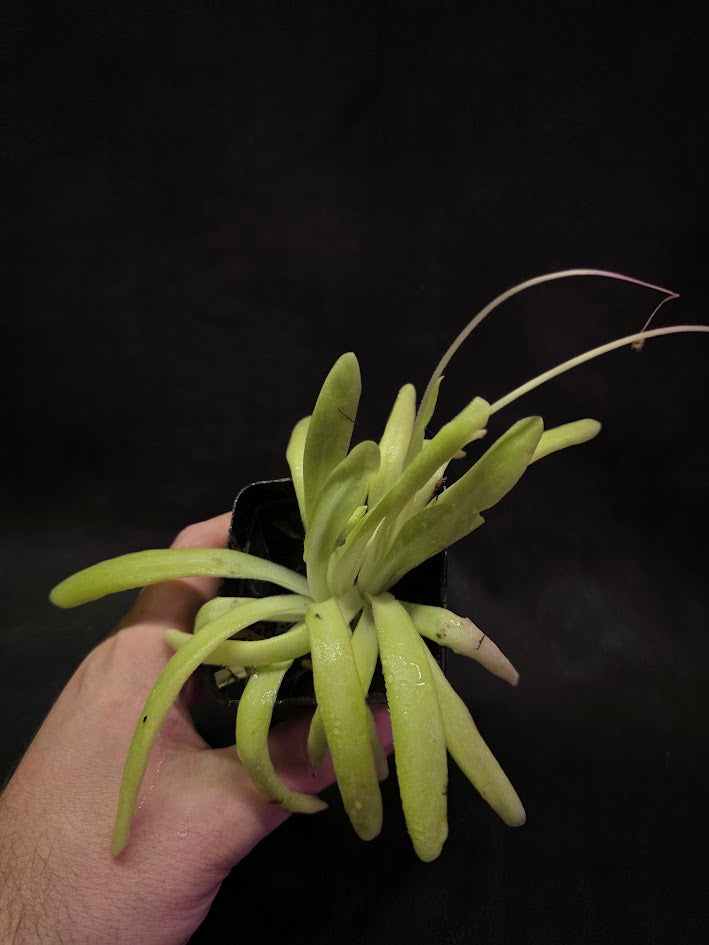
Pinguicula Aphrodite #03

$35.00
Pinguicula Aphrodite #02

$35.00
Pinguicula Aphrodite #01


$40.00