

$125.00

YEG Exotic Plant Crowd
Sarracenia Purpurea Venosa #01
$45.00
Description
Sarracenia purpurea subsp. venosa, commonly known as the Southern Purple Pitcher Plant, is a spectacular temperate carnivorous plant highly prized for its robust pitcher formation, intricate veining, and striking natural colouration. Native to the southeastern United States, this fascinating subspecies inhabits nutrient-poor bogs, wetlands, and other consistently moist environments. Its distinctive, low-growing pitchers and remarkable carnivorous adaptations make it an exceptional addition to both beginner and advanced carnivorous plant collections.
Unlike many Sarracenia species that develop tall, upright tubular pitchers, Sarracenia purpurea subsp. venosa produces a compact, spreading rosette of short, broad, urn-shaped pitchers. Each pitcher features a prominent, flared hood with beautifully ruffled margins and intricate networks of contrasting veins. The pitchers are generally thicker and more noticeably textured than those of the northern subspecies, Sarracenia purpurea subsp. purpurea, often displaying fine hairs along their exterior surfaces.
The foliage can display an extraordinary range of colours, including vibrant green, bronze, crimson, burgundy, and deep purple. Under strong lighting, the pitchers may develop increasingly intense red and purple pigmentation, creating a striking contrast against their intricate venation. Mature specimens gradually form dense, impressive clusters of pitchers, with individual traps typically reaching approximately 10–25 centimetres in length under favourable growing conditions.
As a carnivorous plant, Sarracenia purpurea subsp. venosa captures insects using specialized modified leaves that function as passive pitfall traps. Nectar-producing glands attract unsuspecting insects toward the pitcher opening, where slippery surfaces and downward-pointing hairs make escape increasingly difficult. Unlike many other pitcher plants, this species naturally collects rainwater within its open pitchers. Captured insects are broken down through a combination of biological processes involving microorganisms and digestive activity, allowing the plant to absorb valuable supplementary nutrients.
One of the most impressive characteristics of Sarracenia purpurea subsp. venosa is its distinctive flowering habit. Mature plants can produce large, unusual, deep red to burgundy flowers held above the foliage on tall, upright stems during the spring. These elaborate, umbrella-like blooms feature a complex floral structure that adds considerable ornamental interest. Following flowering, the plant continues developing new pitchers throughout the warmer growing season.
Sarracenia purpurea subsp. venosa thrives in full sunlight and benefits from approximately six or more hours of direct sunlight daily during its active growing season. Strong lighting is essential for encouraging robust pitcher development, compact growth, and vibrant red and purple pigmentation. Although outdoor cultivation is generally preferred during the warmer months, this species can also be grown beneath sufficiently powerful full-spectrum LED grow lights when its seasonal requirements are properly maintained.
An acidic, nutrient-poor, moisture-retentive growing medium is essential for successful cultivation. A mixture of unfertilized sphagnum peat moss and perlite or silica sand is particularly suitable, while long-fibre sphagnum moss may also be used. Conventional potting soil, compost, fertilizer-enriched substrates, and mineral-rich amendments should be avoided, as excessive nutrients and dissolved mineral salts can severely damage the plant's sensitive root system.
Consistent moisture is particularly important for Sarracenia purpurea subsp. venosa. During the active growing season, the tray watering method is recommended, allowing the container to sit in a shallow reservoir of distilled water, reverse osmosis water, or clean rainwater. The growing medium should never be allowed to dry out completely. Unlike many other Sarracenia species, the open pitchers of this subspecies naturally benefit from containing water. If the pitchers become empty during shipping or indoor cultivation, a small amount of suitable purified water may be added to replicate natural rainfall.
As a temperate carnivorous plant, Sarracenia purpurea subsp. venosa requires an annual winter dormancy to maintain long-term health and vigour. During this period, cooler temperatures and reduced daylight naturally slow the plant's growth. A dormancy period of approximately three to four months at temperatures around 2–10°C is generally suitable for container-grown specimens. Watering should be reduced during dormancy while ensuring the substrate remains moist. Although this subspecies can tolerate some frost, it is less cold-hardy than its northern counterpart and should be protected from prolonged severe freezing, particularly when grown in containers in colder Canadian climates.
Sarracenia purpurea subsp. venosa is a relatively robust and long-lived perennial that gradually develops a substantial underground rhizome. Established specimens may produce multiple growth points, eventually forming impressive colonies of overlapping pitchers. Mature plants can also be propagated through rhizome division, making this species a rewarding choice for collectors interested in expanding their carnivorous plant collections over time.
With its richly coloured pitchers, elaborate venation, dramatic flowers, and fascinating insect-catching abilities, Sarracenia purpurea subsp. venosa is a truly remarkable addition to any botanical collection. Its compact yet substantial growth habit makes it particularly suitable for outdoor container bog gardens, sunny patios, greenhouse collections, and specialized temperate carnivorous plant displays. Combining extraordinary natural beauty with remarkable ecological adaptations, the Southern Purple Pitcher Plant offers lasting ornamental interest and a rewarding growing experience.
Please note that each living plant is unique and may vary slightly in size, shape, pitcher formation, colouration, and natural markings. The intensity of red and purple pigmentation is dependent on genetics, lighting, maturity, and seasonal growing conditions. Older pitchers may naturally brown or decline as new growth develops. Plants purchased during the cooler months may arrive partially or fully dormant, and flowering is not guaranteed at the time of purchase.
Care & shipping
Bright indirect light, high humidity, water when the top inch of medium dries. Shipped with insulation and a heat pack in cold months.
How we pack
Root systems are wrapped damp, foliage is braced, and the box is insulated. Orders ship early in the week so nothing sits in transit over a weekend.
Also available
More from the greenhouse


$45.00
Pink Thai Lipstick Plant #01


$28.00
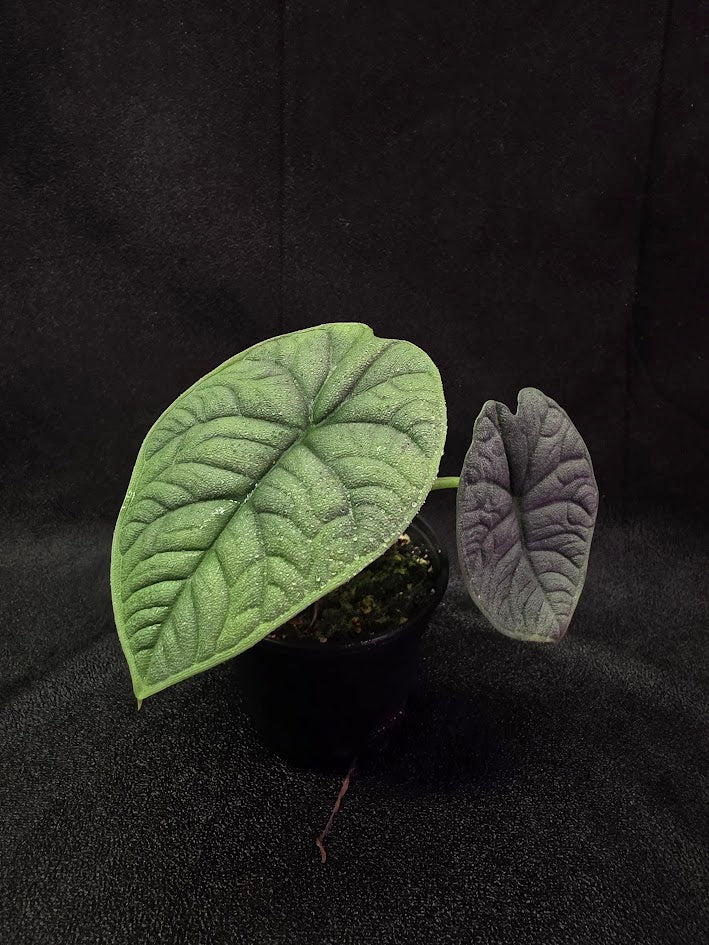
Alocasia Melo #01


$110.00
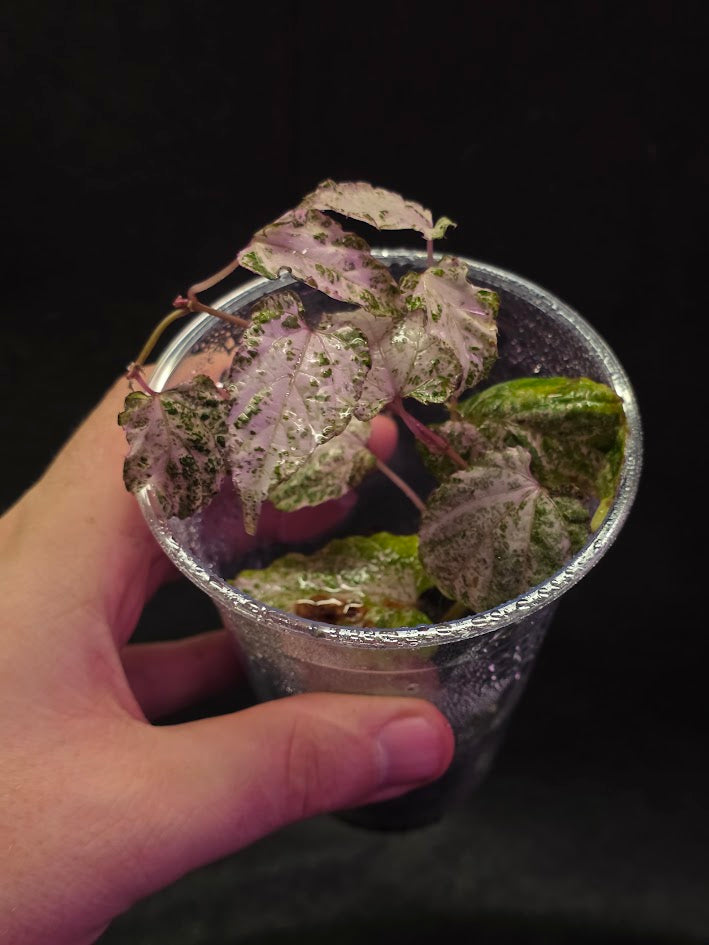
Cissus Discolor Variegated #01

$65.00