Fragile Prickly Pear Cactus (Opuntia fragilis), also known as Brittle Prickly Pear or Little Prickly Pear, is North America's most cold-hardy cactus species and represents the ultimate achievement in extreme climate adaptation for succulent enthusiasts. This remarkable miniature cactus thrives in the harshest environments on the continent, surviving temperatures that plunge below -50°F (-34°C) and growing as far north as Fort St. John, British Columbia, making it the perfect choice for Canadian gardens from Ontario to the Pacific Coast. Hardy to USDA Zone 2-4, this extraordinary native plant is one of only two cactus species indigenous to Canada and the sole native cactus of the Okanagan region, bringing authentic desert character to even the most challenging northern climates without any winter protection required.
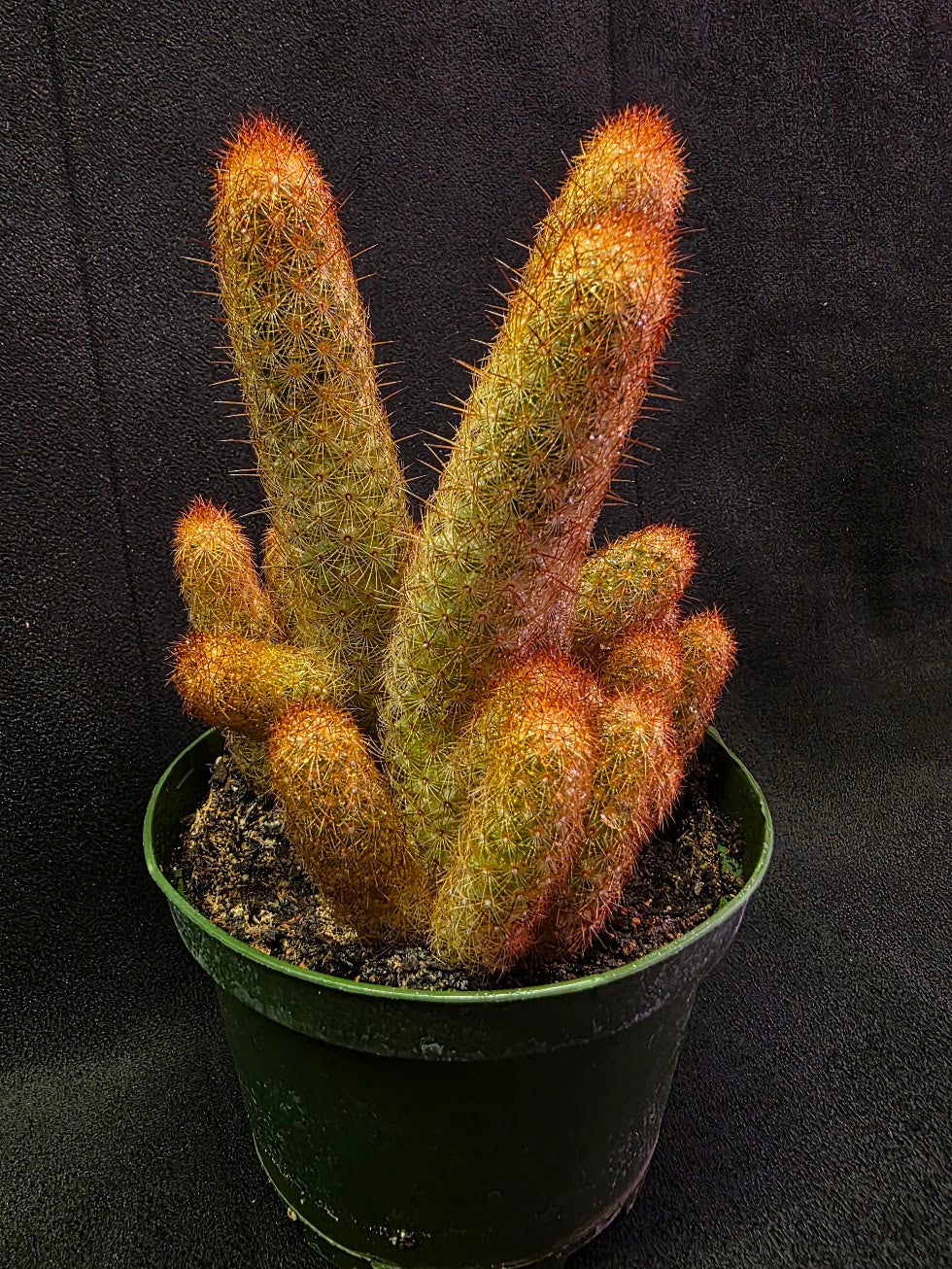
This petite perennial forms charming low-growing mats that spread 2 feet or more across while remaining delightfully compact at just 2-8 inches tall, making it ideal for rock gardens, alpine gardens, green roofs, container displays, and xeriscaping projects where space is limited. The plant features distinctive small, rounded pads that are somewhat cylindrical rather than completely flat, measuring just 1-2 inches in length and displaying an attractive pale green to blue-green coloration. These thick, succulent segments are covered with 3-8 prominent gray spines per areole, creating striking visual texture and architectural interest. The species earns its "fragile" and "brittle" common names from a fascinating survival adaptation: the pads detach incredibly easily at the slightest pressure, breaking free from the parent plant to catch rides on passing animals and establish new colonies wherever they land, making this cactus a self-propagating wonder.
From May through July, Fragile Prickly Pear produces delicate pale yellow to greenish flowers with occasional reddish tints that measure 1.2-2 inches across, adding subtle but charming color to the plant during early to mid-summer. Each diurnal flower lasts only a single day, and the blooming period for a colony typically spans 1-2 weeks of peak beauty that attracts native pollinators. Following the modest floral display, the cactus develops small reddish fruits that measure approximately 0.6-1 inch long. While technically edible like other prickly pear fruits, these berries are smaller and less juicy than those of larger Opuntia species, often described as dry and thorny capsules that are not commonly consumed, though they do provide wildlife value and visual interest through late summer and fall.
Beyond its ornamental appeal, Fragile Prickly Pear serves critical ecological functions in its native habitats. The extensive shallow, fibrous root system effectively stabilizes soil and prevents erosion caused by wind and water, making this species invaluable for ecological restoration projects, slope stabilization, and preventing soil degradation in vulnerable areas. The plant has evolved remarkable drought-avoidance mechanisms, accumulating water in specialized storage cells that contain mucilaginous materials with exceptional water-retaining capacity, allowing it to survive extended periods without moisture in arid and semi-arid environments. During winter, the pads shrivel and appear to hibernate, entering dormancy to withstand extreme cold before reviving each spring with renewed growth.
This ultra-low-maintenance cactus requires full sun exposure with well-draining sandy, gravelly, rocky, or gritty soil to thrive, though it can also adapt to silty, loamy, or clayey soils as long as drainage remains excellent. Add perlite or sand to enhance drainage in heavier soils. Water sparingly, allowing the soil to dry out completely between waterings—saturate the container or planting area once every 2-3 weeks during the growing season and provide very limited water in winter to prevent rot. The Fragile Prickly Pear tolerates nutrient-poor soils and does not require rich fertilization, though you may apply a balanced cactus-specific fertilizer (5-10-10) sparingly about once monthly during spring and early summer if desired. Avoid over-fertilizing, as this hardy species naturally flourishes in barren, resource-limited conditions.
Propagation is remarkably easy and mirrors the plant's natural dispersal method: simply detach a healthy pad segment, allow the cut end to callous over completely for 1-2 weeks in a dry location, then plant in sandy, well-draining soil. Keep the soil dry until roots develop, then follow standard care protocols. This simple technique makes it effortless to expand your collection or share this extraordinary native plant with fellow gardening enthusiasts. Handle all pads and mature plants with thick protective gloves due to the sharp spines and fine glochids that can cause skin irritation and injury.
Whether you're creating a specialized alpine garden, designing a water-wise xeriscape, stabilizing slopes prone to erosion, adding unique texture to rock gardens, or seeking the most cold-hardy cactus available for extreme climates, the Fragile Prickly Pear delivers unmatched winter resilience, fascinating propagation characteristics, ecological value, and compact beauty that defies conventional expectations of what cacti can endure. This miniature marvel proves that desert plants can thrive even in Canada's harshest regions, making authentic cactus gardening accessible to northern gardeners previously unable to grow these distinctive succulents outdoors year-round.